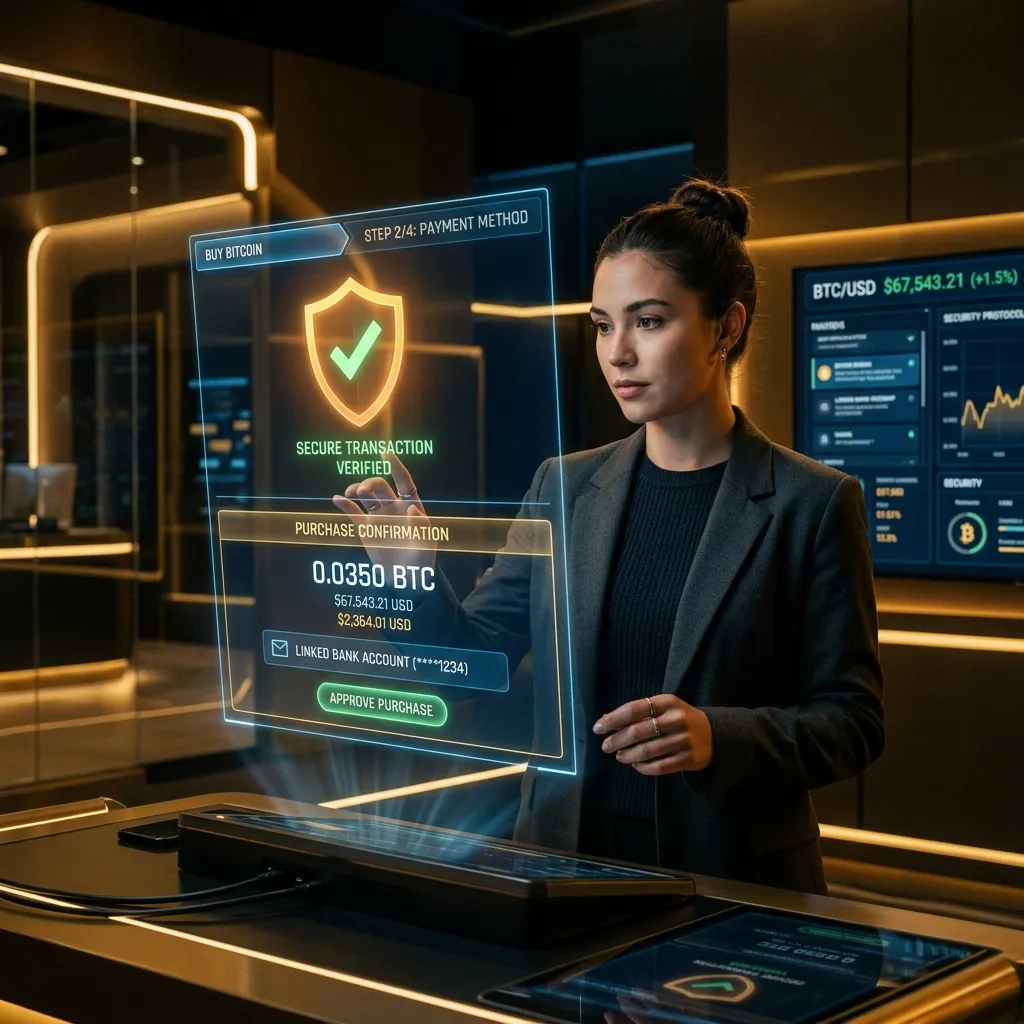
🎯 Why 2026 is the Year for Bitcoin
The appeal of Bitcoin in 2026 is greater than ever. Driven by massive institutional adoption, global spot ETFs, and the post-halving supply shock, Bitcoin has become the world’s premier digital settlement layer. However, many beginners make a critical mistake: they prioritize speed over security.
Definition
Buying Safely
Buying Bitcoin safely means using a regulated trading platform, correctly executing the purchase process, subsequently storing Bitcoin in your own secure wallet, and avoiding common scams. The fundamental principle is: “Not your keys, not your coins.”
⚖️ 1. Is Buying Bitcoin Legal?
Yes, buying, selling, and holding Bitcoin is legal for private individuals in the vast majority of developed nations.
- Regulation: In the EU, the MiCA (Markets in Crypto-Assets) regulation provides a clear legal framework. In the US, Bitcoin is treated as a commodity regulated by the CFTC.
- Compliance: Reputable platforms are required to verify your identity (KYC) to prevent money laundering. Be wary of platforms that skip this step.
🏢 2. Where to Buy Bitcoin Safely
For beginners, regulated brokers and exchanges are the safest choice.
| Platform Type | Description | Security | Recommendation |
|---|---|---|---|
| Crypto Brokers | Simple apps (Bitpanda, Relai, Swan). | High | Beginners |
| Crypto Exchanges | Trading hubs (Kraken, Coinbase). | High | Advanced Users |
| Neo-Brokers | Robinhood, Revolut. | Medium to High | Convenience |
🔍 3. Criteria for a Reputable Platform
Before committing capital, check the platform against these trust criteria:
- Regulation: Does the platform hold an official license in your jurisdiction?
- 2FA (Two-Factor Authentication): Use apps like Google Authenticator or hardware keys like YubiKey. Avoid SMS-based 2FA.
- Cold Storage: Are customer funds mostly stored offline?
- Transparency: Is there clear information about the company’s headquarters and leadership?
🛠️ 4. Step-by-Step: Your First Bitcoin Purchase
Registration & KYC
Choose a platform and verify your identity using your ID or passport.
Secure Deposit
Transfer funds via bank transfer (SEPA/ACH) or instant payment methods.
The Purchase
Select the amount you wish to buy and execute the order.
Transfer to Wallet
Move your Bitcoin to your personal hardware wallet for long-term safety.
🗝️ 5. Wallets & Private Keys: The Heart of Security
A wallet does not store the coins themselves, but the Private Keys that allow you to move them.
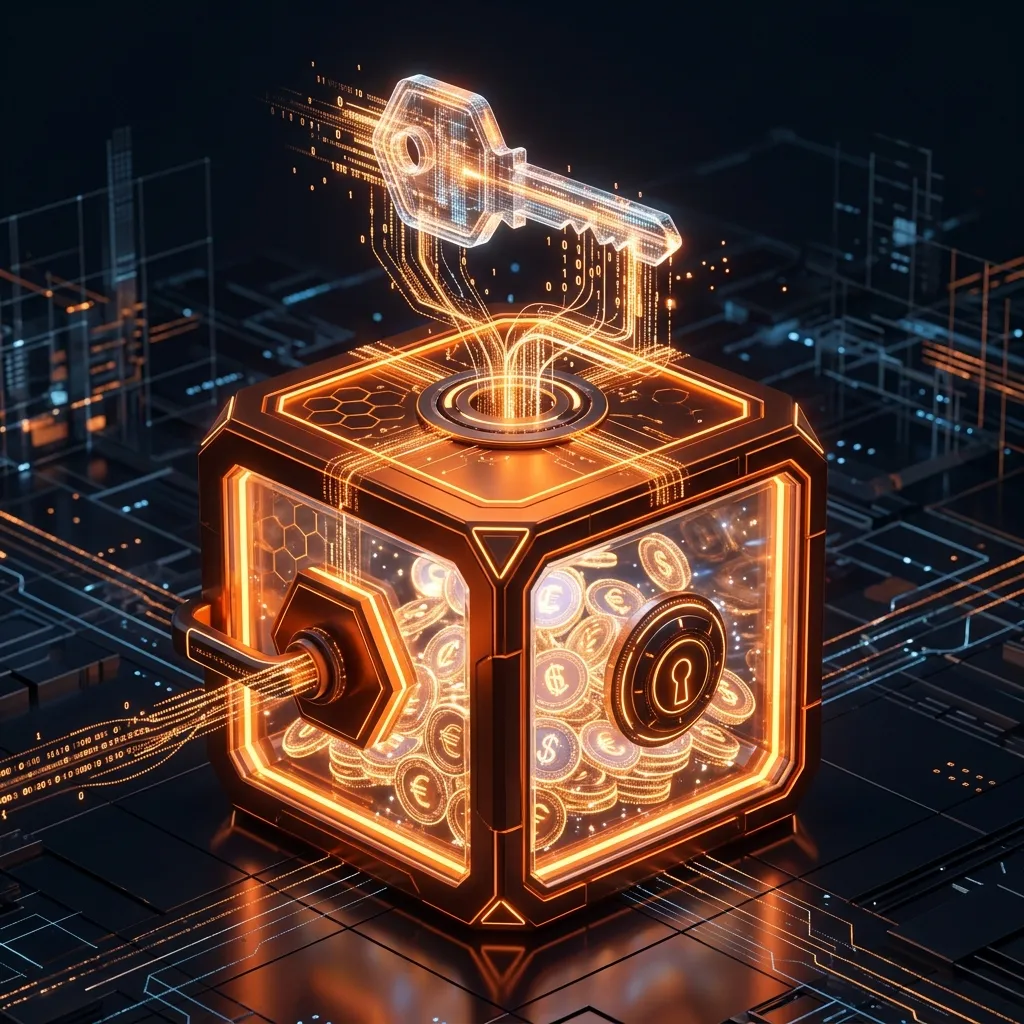
- Hardware Wallets (Cold Wallets): Physical devices (Ledger, Trezor, BitBox02). They are the gold standard because they store keys offline.
- Seed Phrase: The 12 or 24 words are your master backup. Anyone who knows your seed phrase owns your Bitcoin. Never store it digitally!
⚠️ 6. The 10 Golden Rules of Security
- Not Your Keys, Not Your Coins: Use your own wallet.
- Use Hardware Wallets: For any amount over $500.
- Secure Seed Phrase Offline: Never in the cloud or as a photo.
- Activate 2FA Everywhere: For exchanges and email accounts.
- Strong Passwords: Use a password manager.
- Trust No One (Phishing): Never click links in unexpected emails.
- Verify Addresses Thrice: Double-check the recipient address every time.
- Test Transactions: Send a tiny amount first when using a new address.
- No Guaranteed Returns: If it sounds too good to be true, it is.
- Keep Software Updated: Install wallet and OS updates immediately.
📈 7. Strategy & Risk Management
Never invest money you cannot afford to lose.
- DCA (Dollar Cost Averaging): A savings plan reduces the risk of buying at the wrong time by investing small amounts regularly.
- Long-term Horizon: Plan to hold for at least 4-5 years (one full halving cycle).
- Emotional Control: Avoid FOMO (Fear Of Missing Out) during price surges and panic selling during dips.
🏁 Conclusion: Become Your Own Bank
Buying Bitcoin is the first step. Owning it safely is true mastery. Only when you transfer your Bitcoin to a wallet you control does the exchange’s “IOU” turn into real, censorship-resistant property.
Next Steps: